From Flooding to Fresh Growth: A Rollercoaster Winter at Maple Farm
This blog post has been written by the Youngwilders following their latest volunteer day at Maple Farm.
It’s been a winter of extremes here at Maple Farm. If you’re local to Surrey/West Sussex, you don’t need us to tell you how relentlessly wet January and February were. At Maple Farm, when the River Lox decides to burst its banks, it doesn’t do things by halves and the entire floodplain transforms (check out the photos below!).
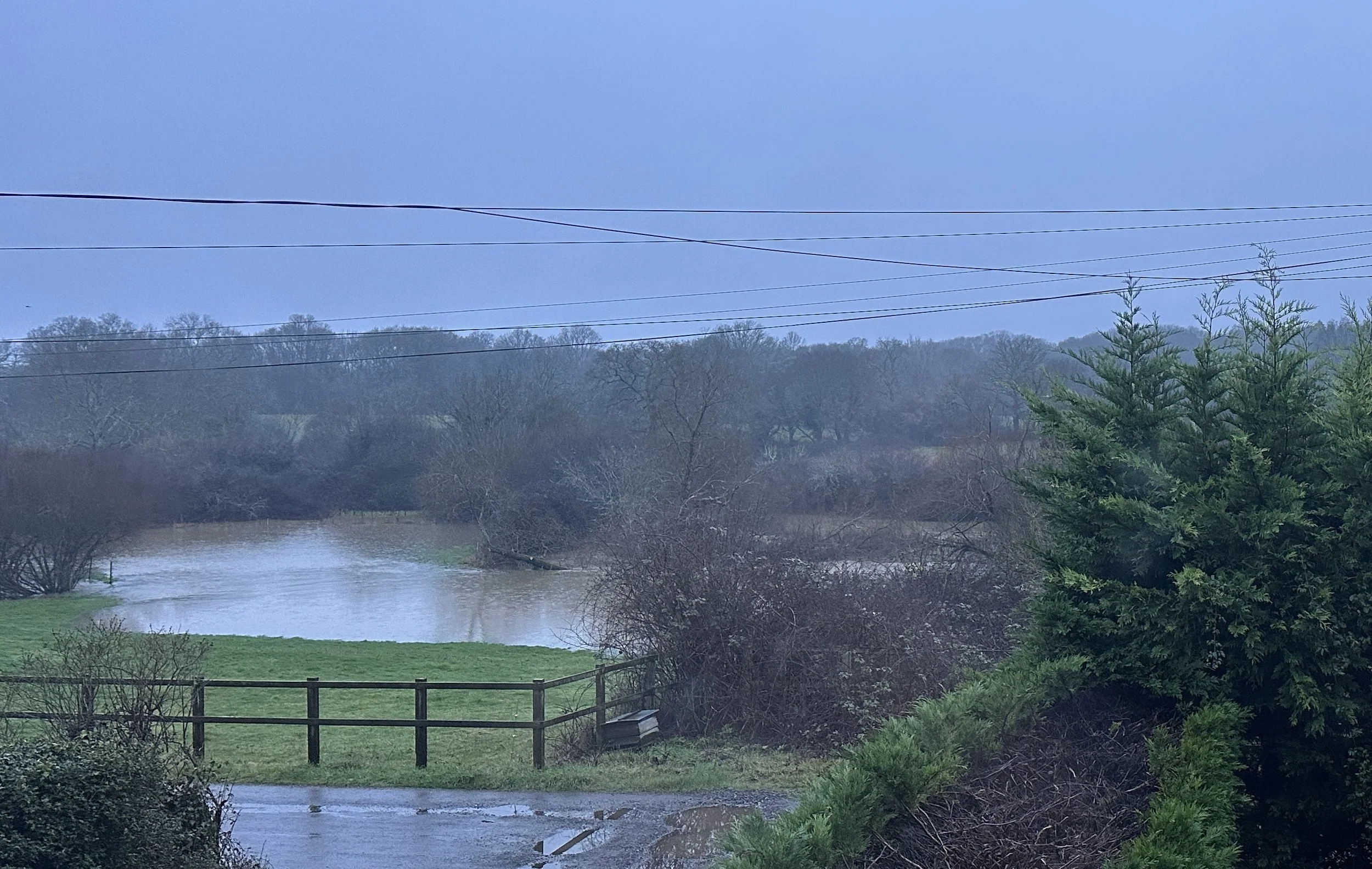
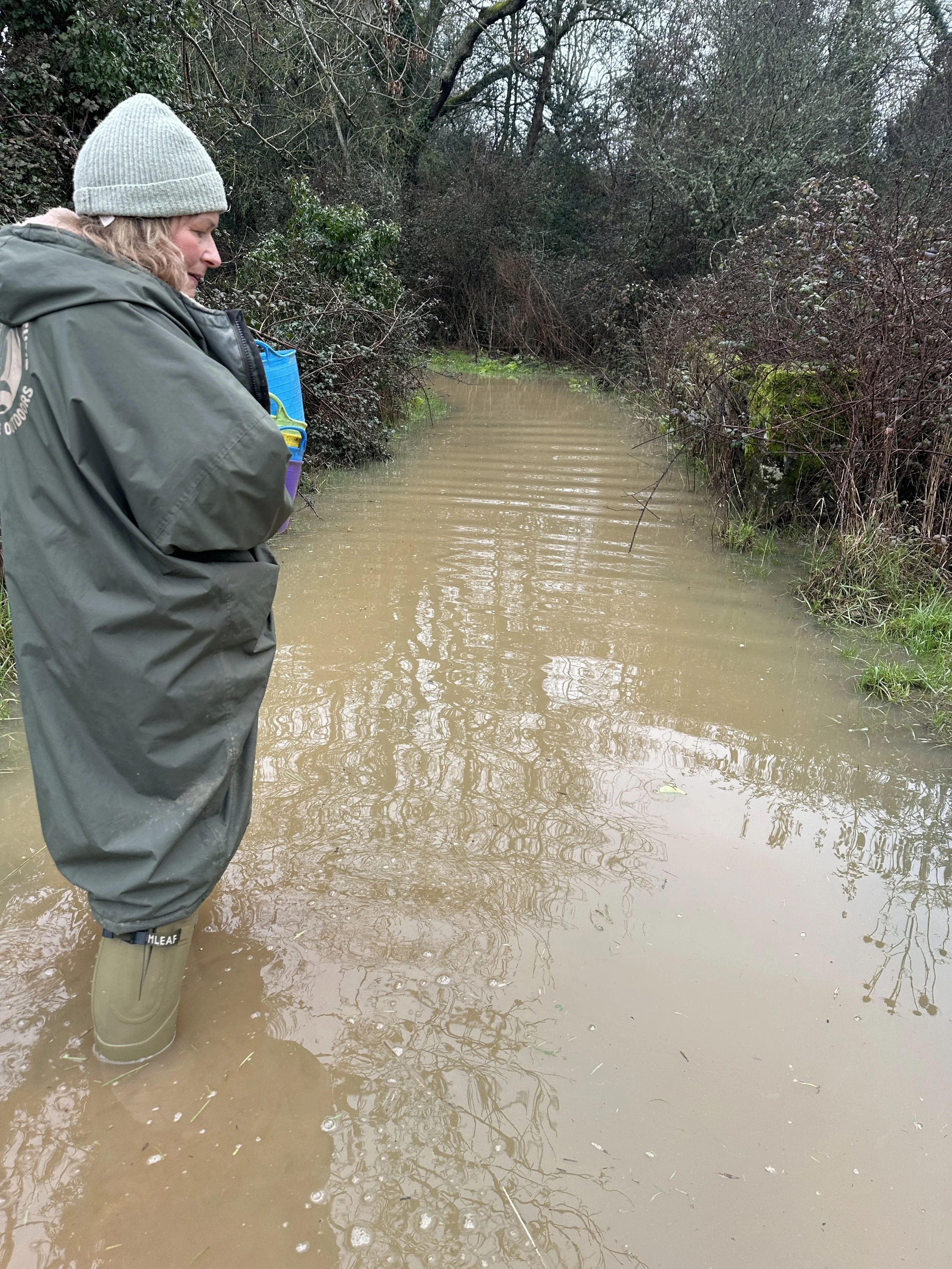
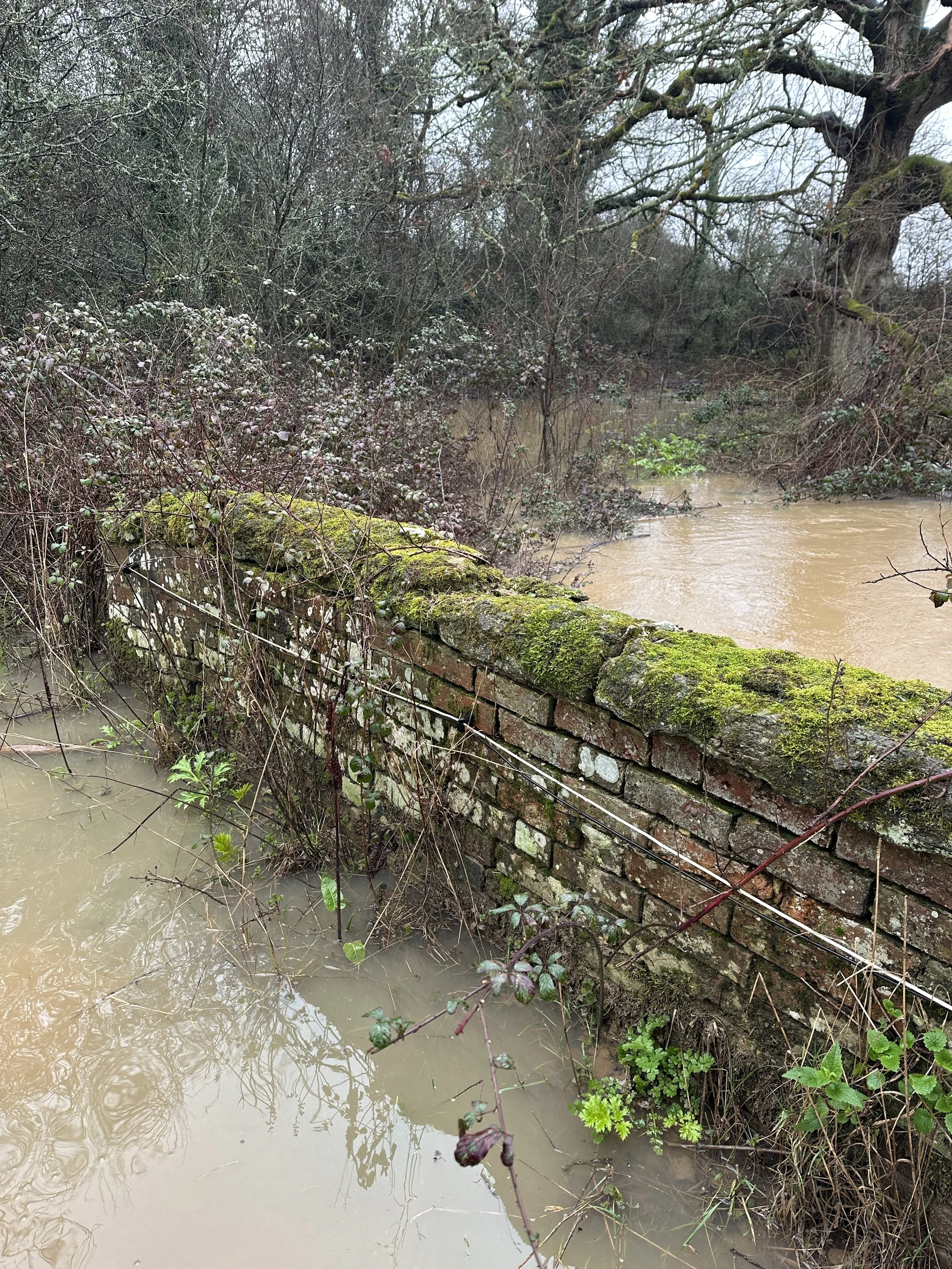
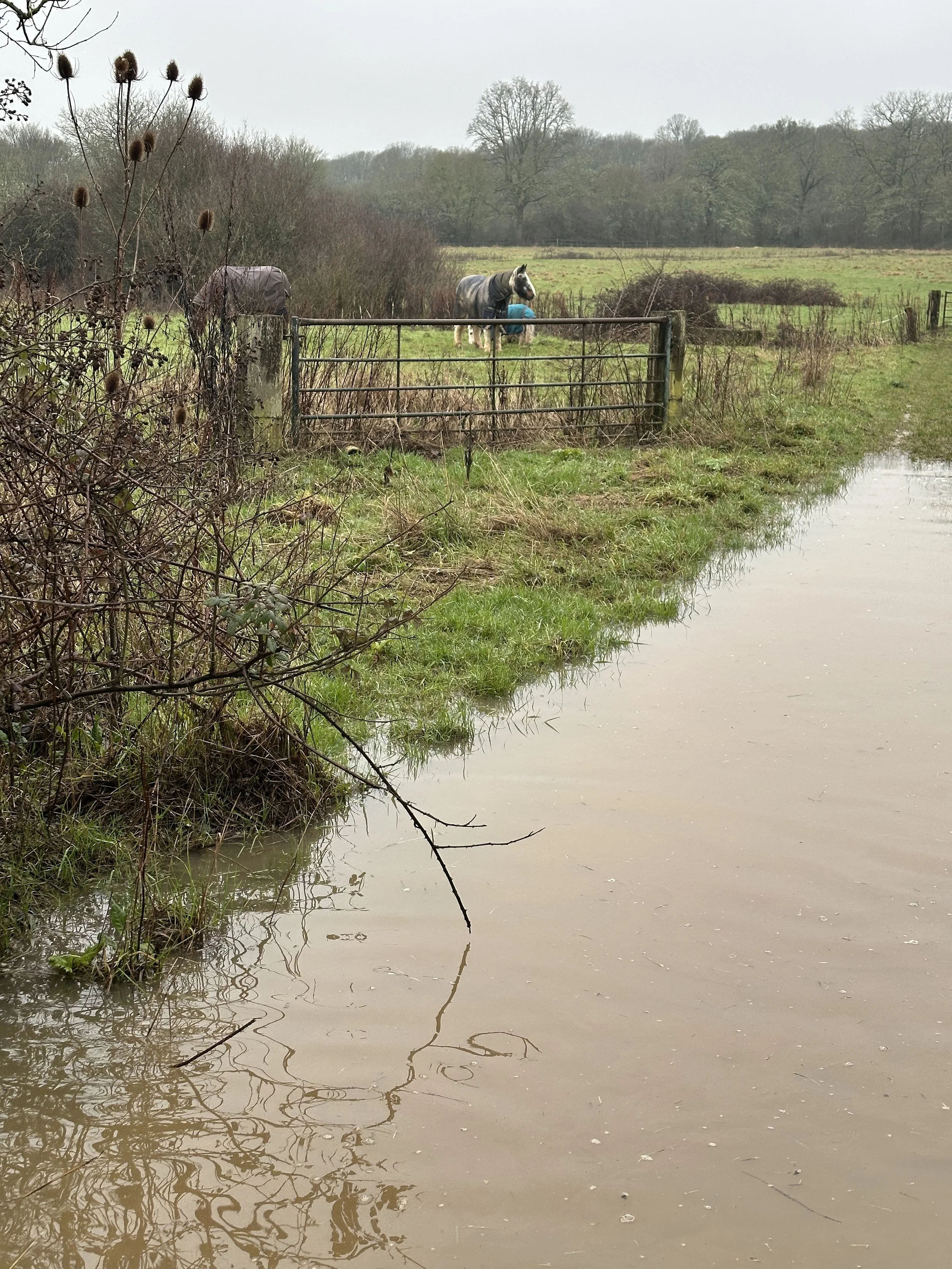
While Barberry and Middle fields stay high and dry, the bottom half of the site becomes a total "no-go" zone and we’re unable to cross to do any work. Sadly, the persistent rains meant we had to cancel several site visits, including our volunteer day on February 7th but without a boat it was impossible!
The climate crisis is making "unpredictable" the new normal. Just weeks after heavy rainfall, the weather has shifted gears and it feels like we’ve been catapulted into an early spring that feels both beautiful and a little bit unsettling. The most striking (and slightly scary) sign? The bats are already out. Usually, we don't expect to see them until about mid-April, but they seem to think it’s time to wake up.
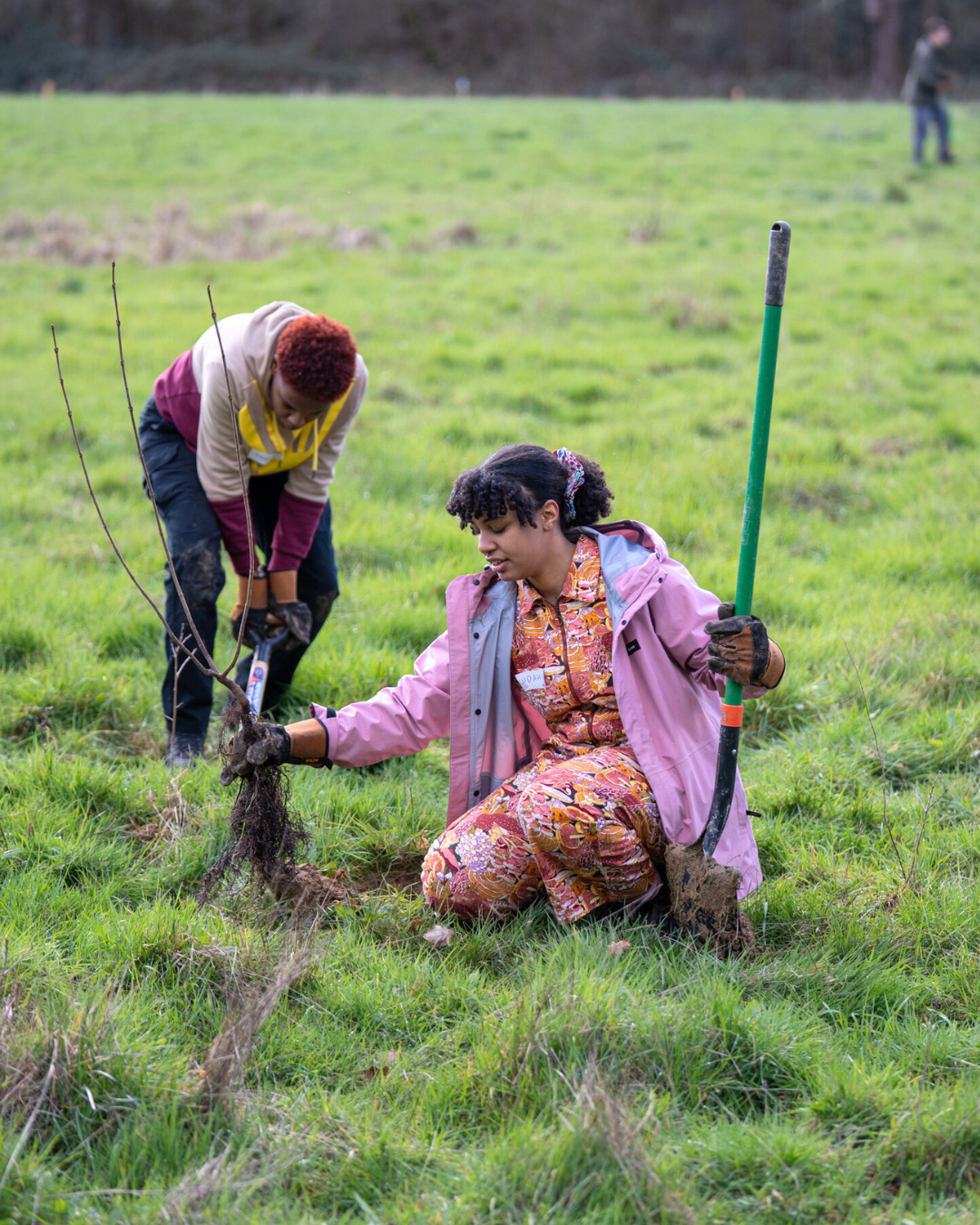
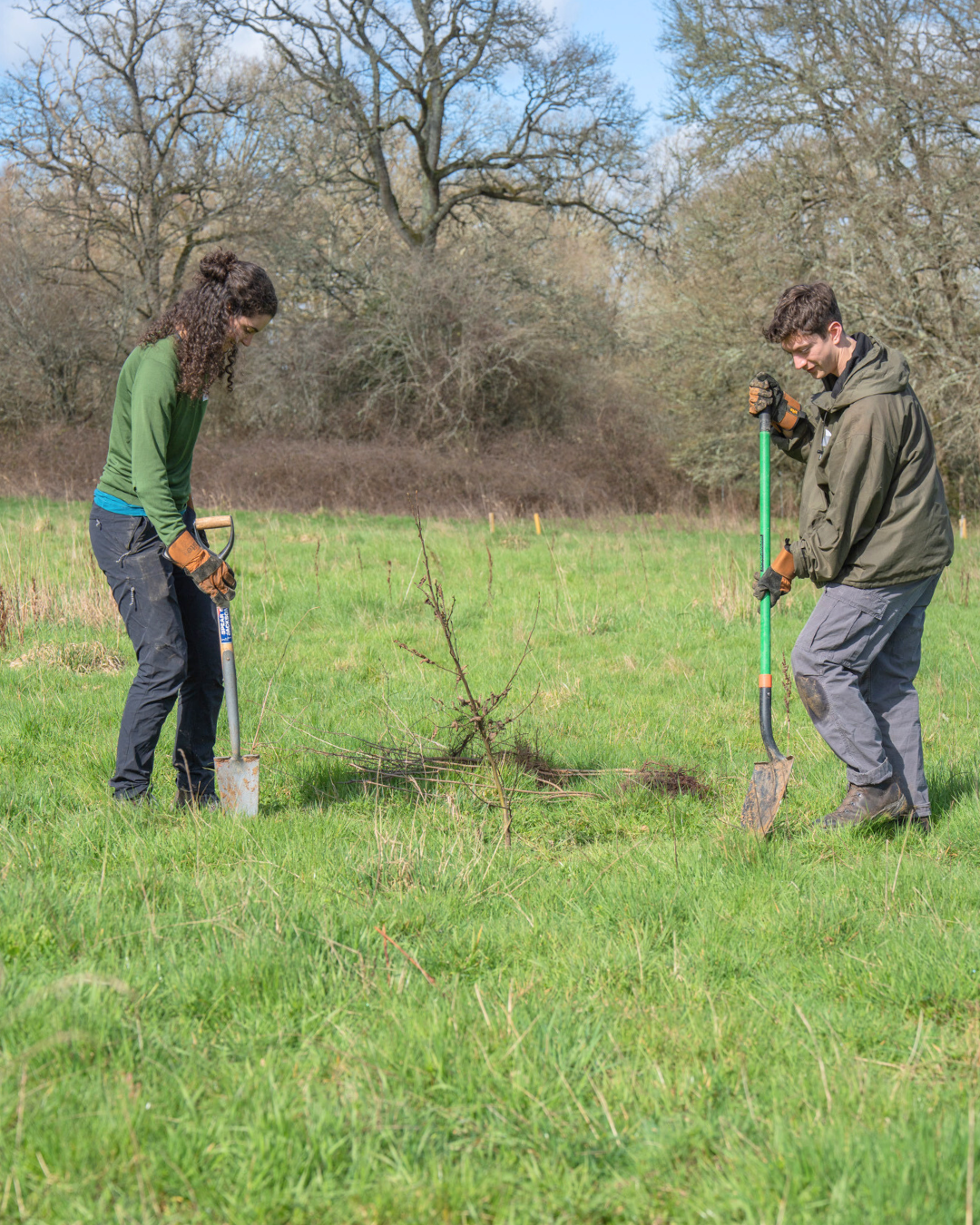
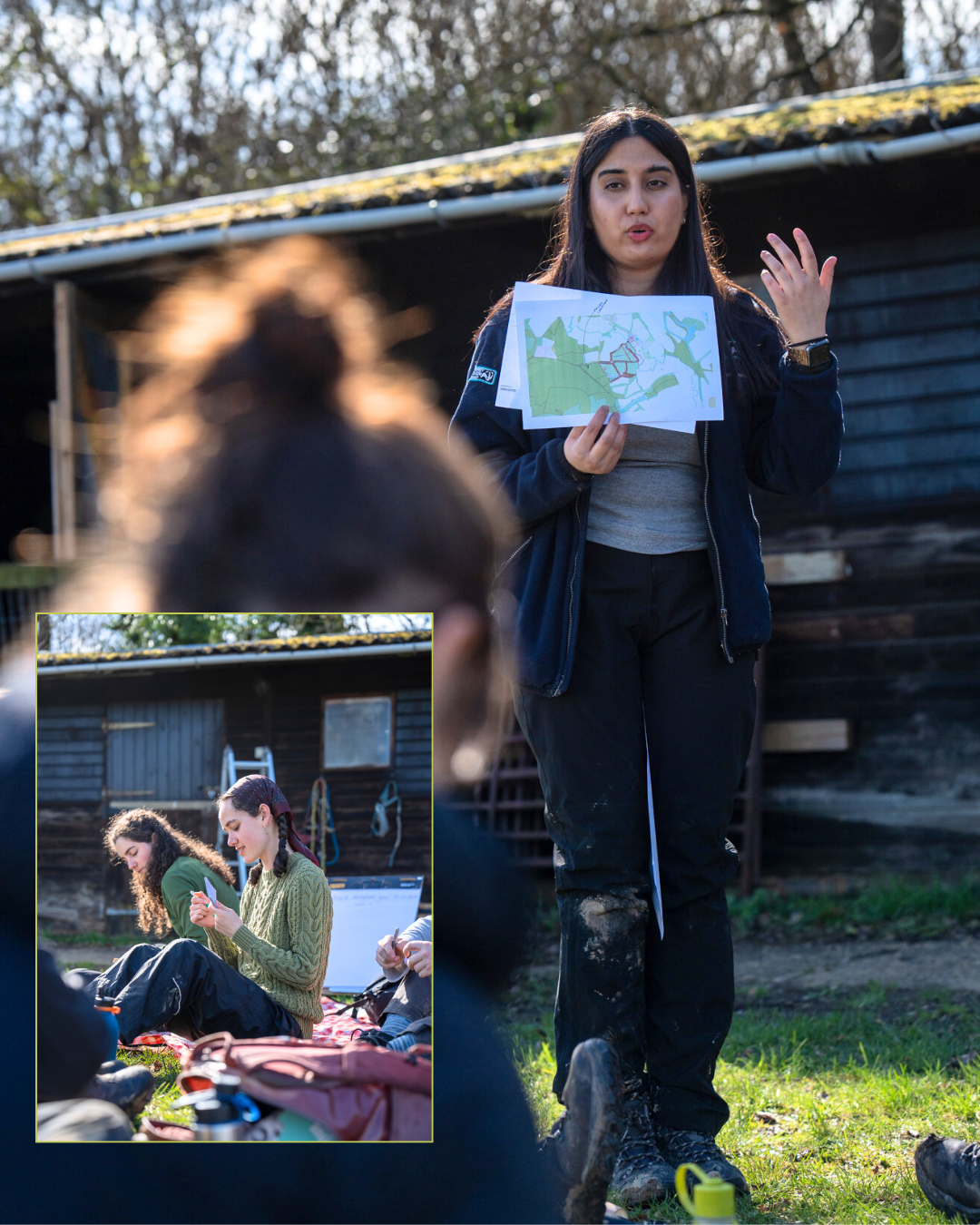
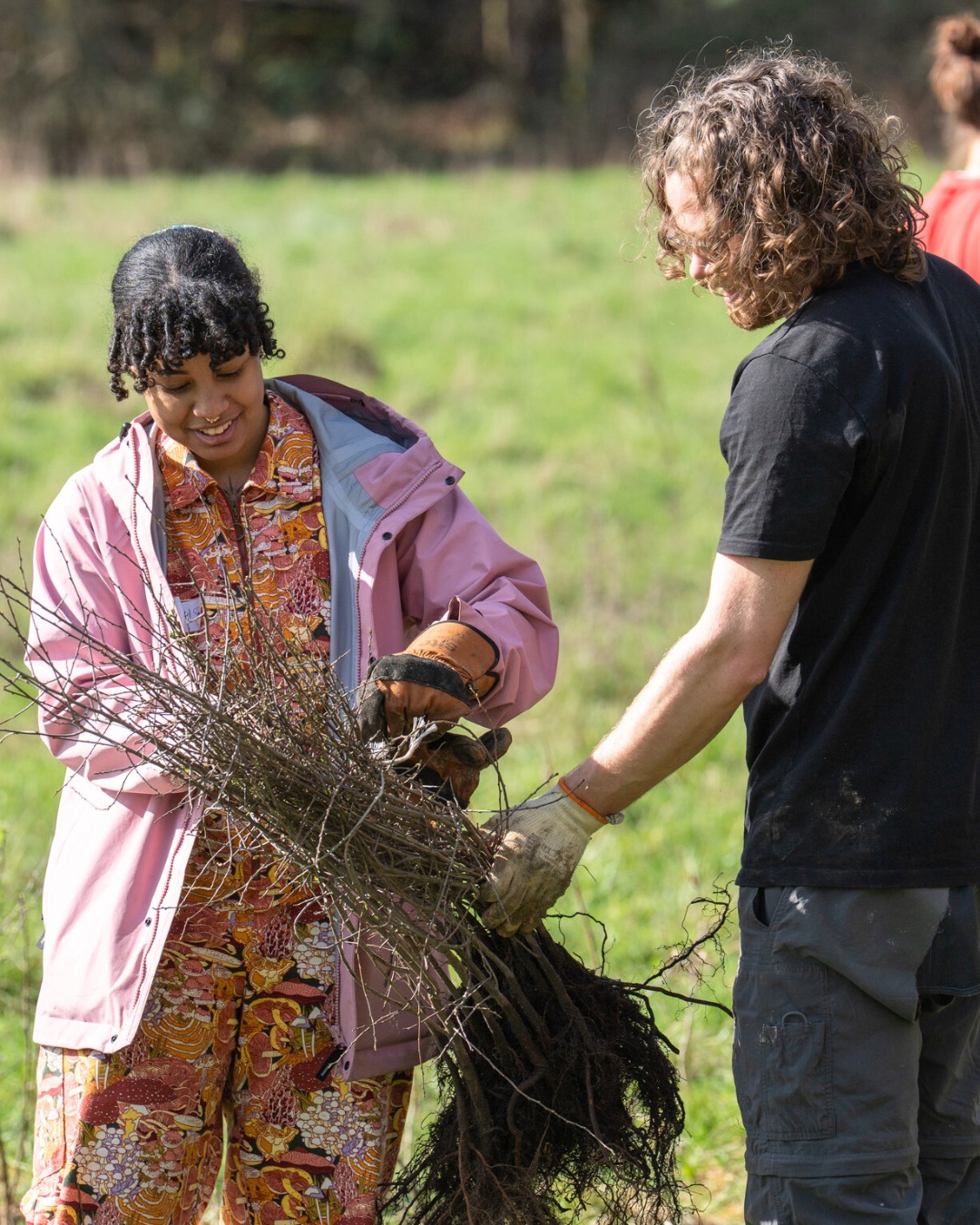
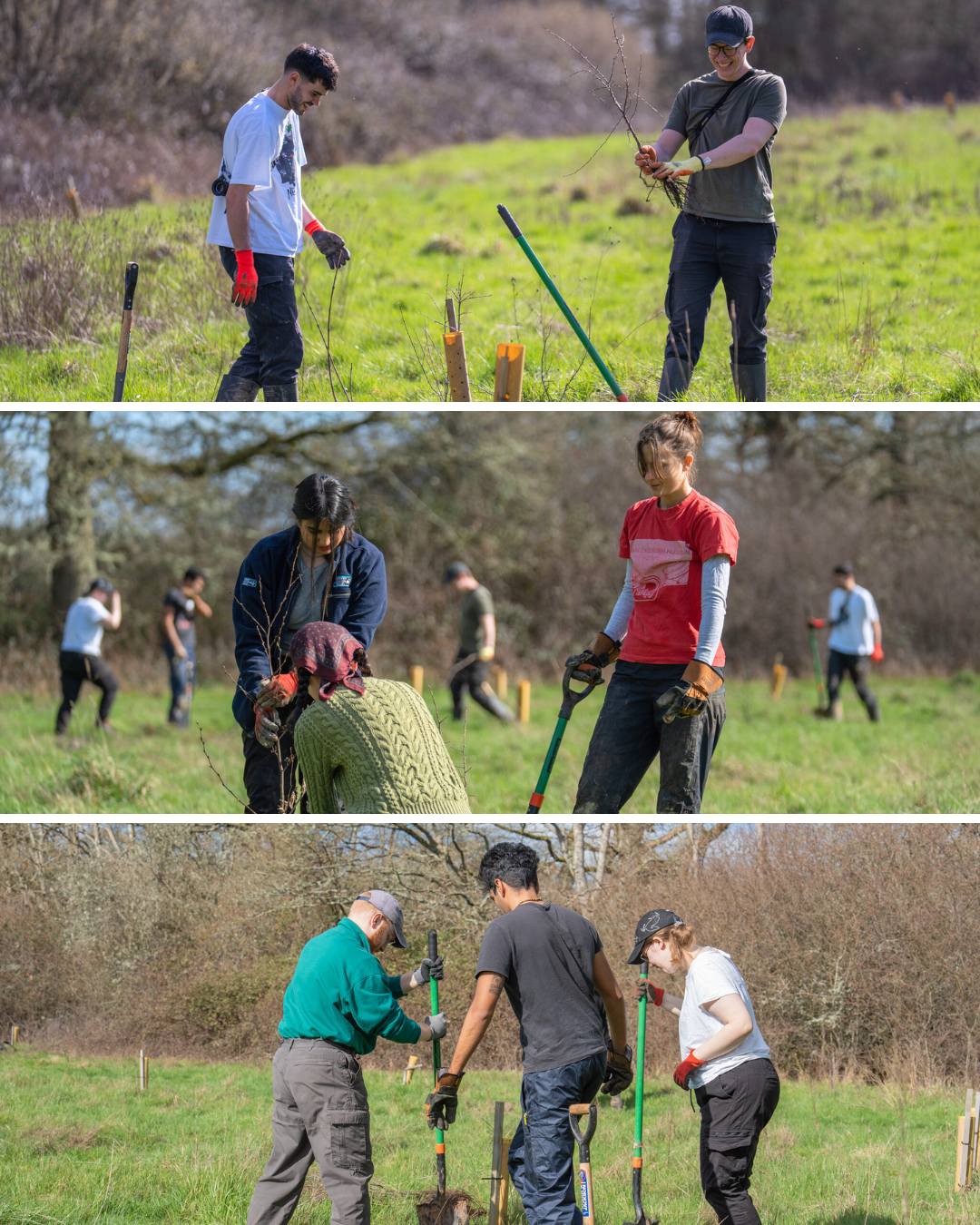
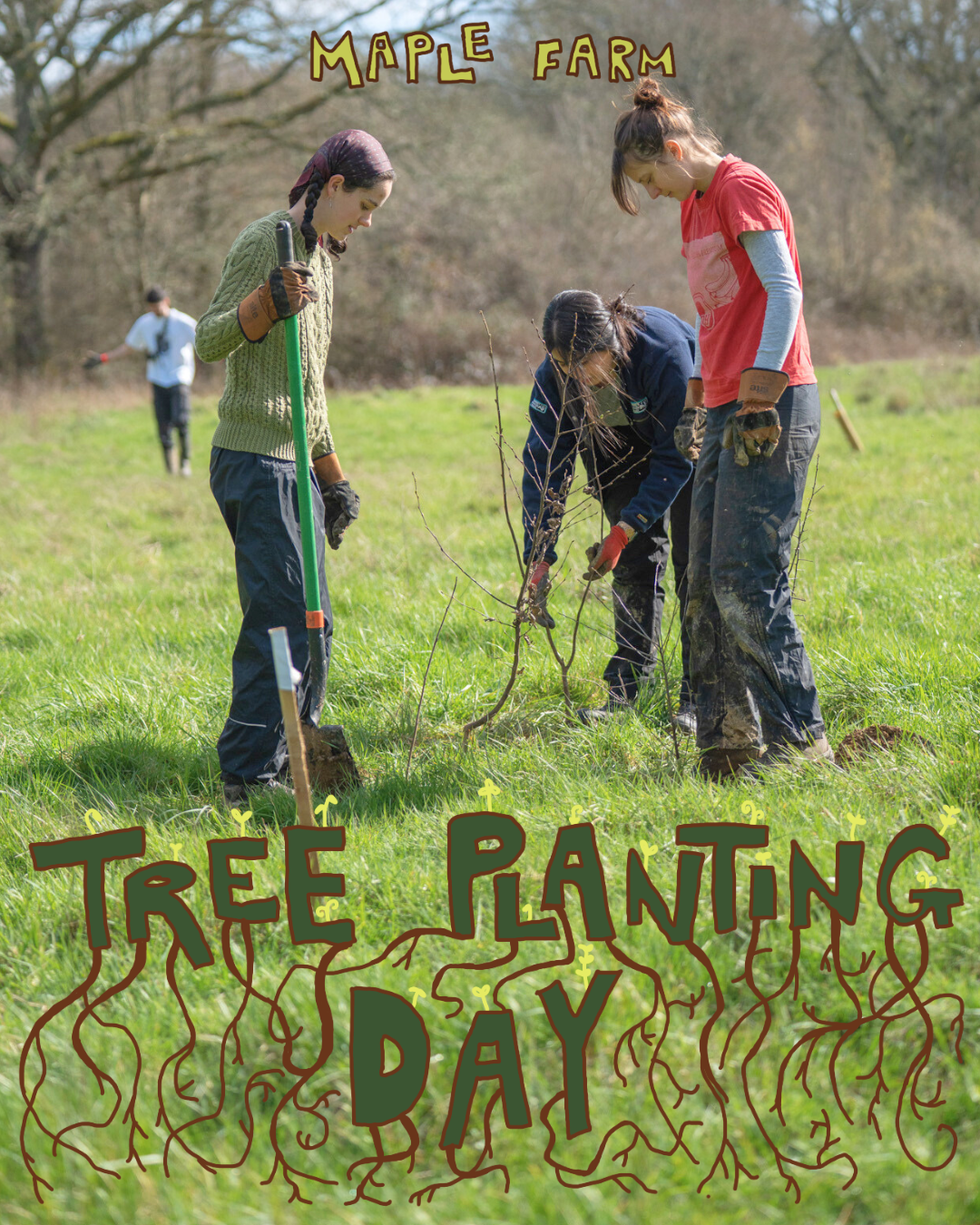
Nevertheless, the sun did provide the perfect backdrop for our volunteer day last Saturday on 14th March. Twenty of us gathered in Barberry with the clear mission to plant scrub banks. The aim was to mimic the relationship between the bramble and the acorn. In the wild, thorny brambles act as a "nursery," protecting young oak saplings from hungry deer. As Barberry is already full of tiny, regenerating oaks, we planted "bodyguards" of spiky hawthorn and blackthorn around them. We also planted hazel, crab apple, and guelder rose, alongside some standalone hornbeams.
We decided to do something a little bold: we planted without guards. It’s definitely a risk, and we’re keeping our fingers firmly crossed that our "spiky plant" strategy works and the local deer find their snacks elsewhere. It’s an experiment in working with the landscape rather than against it.
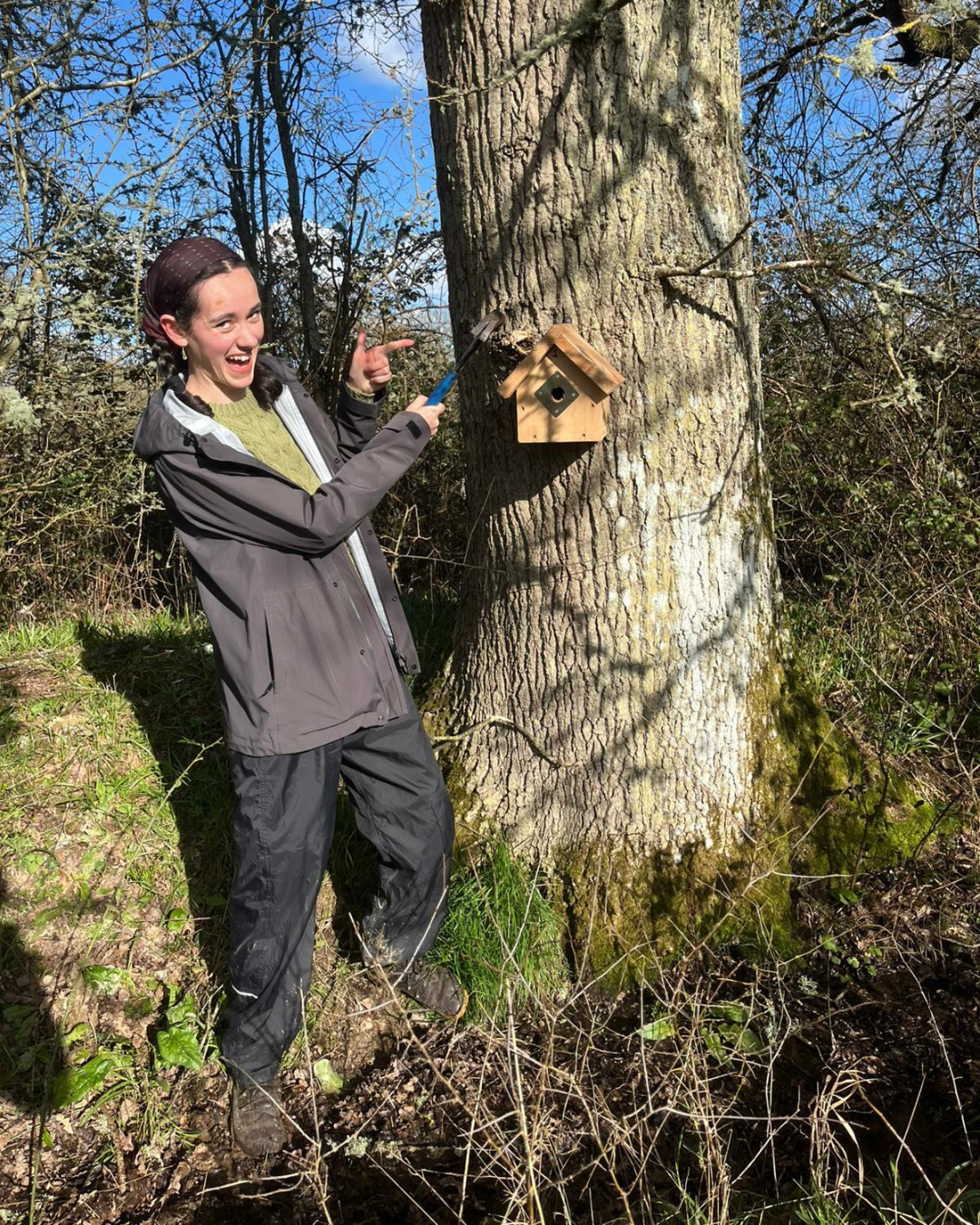
We also put up some bird boxes which was very exciting! Thanks so much to Joe from Joe Court Forestry for donating two. We decided to plant them fairly low to favour smaller birds, such as coal tit, marsh tits and blue tits. It’s a little late to have put them up but let’s see - we’re going to position a camera trap close to one and see what happens!
Watch this space - we’ll keep you updated on how our new arrivals - birds and trees alike - get on!